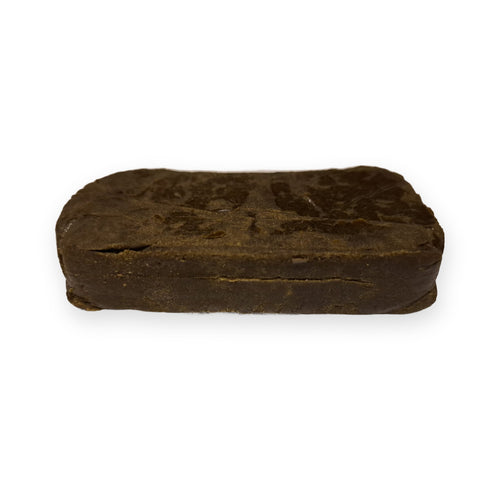
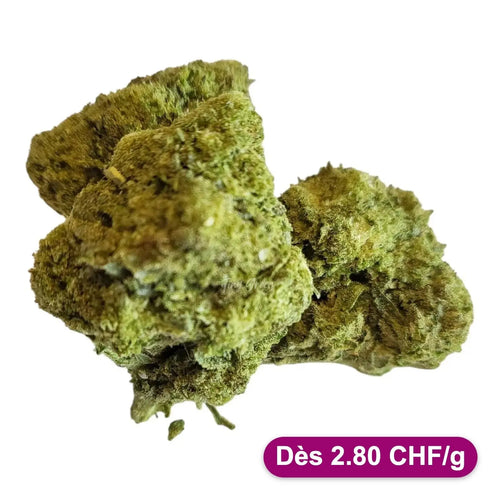
"I want the strongest one you've got" is something I hear almost every day in the shop. The CBD percentage on the label has become the only criterion for many customers, and it means I regularly have to set the record straight.
The percentage says nothing about the flower's quality
A 30% CBD flower isn't automatically better grown, better dried or richer in terpenes than a 15% one. The percentage measures one thing: CBD concentration per gram. It says nothing about the aroma profile, the texture, or how the plant was harvested and cured – things that matter just as much in the final experience.
Why some varieties naturally top out lower
Some genetics naturally give more modest levels, around 12 to 18%, while being particularly loved for their smell and taste. Other varieties are bred specifically to reach high CBD, sometimes at the expense of everything else. Comparing the two on percentage alone is like judging a wine only on its alcohol content.
How it feels doesn't always follow the number
I have very sensitive customers who find a 15% flower more than enough, and others who need to go up to 25% to feel anything. Personal sensitivity, the way you consume and even how tired you are at the time influence the experience far more than a few extra percentage points on the label.
"I bought the strongest flower in the shop thinking it would automatically be the best. In the end I went back to a 16% variety because I liked the smell and taste much more, and the effect was very similar."
What really deserves your attention
I advise looking at the freshness of the flower, the harvest date when available, and above all smelling the product before buying if you can. A high percentage on a poorly stored flower will be disappointing, while a fresh, mid-strength flower can be a pleasant surprise.
Next time you drop by our shop in Yverdon, ask to smell several varieties before choosing on percentage alone. That's often where the real difference lies. Browse our Swiss CBD flowers.