

You're off for the weekend to Annecy or Freiburg, and your bottle of Swiss CBD oil is sitting on the table next to your suitcase. Do you take it or not? The answer isn't a gut feeling – it comes down to one precise number that few people check before they leave: the exact THC content of your product.
Three countries, three different limits
Switzerland allows up to 1% THC in a CBD product. France sets the limit at 0.3%. Germany, since its 2024 cannabis reform, tolerates CBD up to 0.2% THC. So a product that's perfectly legal in Switzerland – with 0.6% THC, for example – is out of bounds as soon as you cross the border, in either direction.
What really happens at the border
Within the Schengen area, crossings between Switzerland, France and Germany usually happen without systematic customs checks, whether by car or by train. That doesn't mean zero risk: random checks do happen, and if you're stopped, the question won't be whether the product comes from Switzerland but whether its THC content complies with the law of the country you're in at that moment.
Smart habits before you go
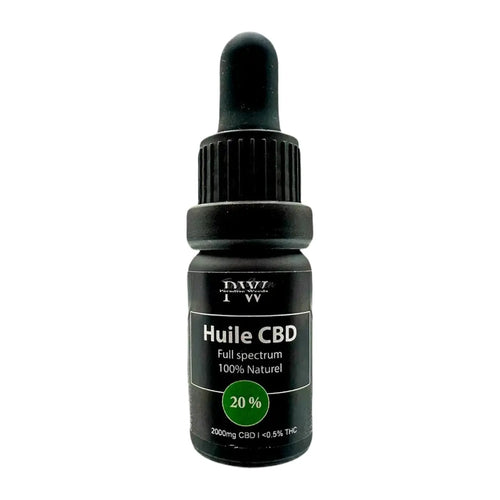
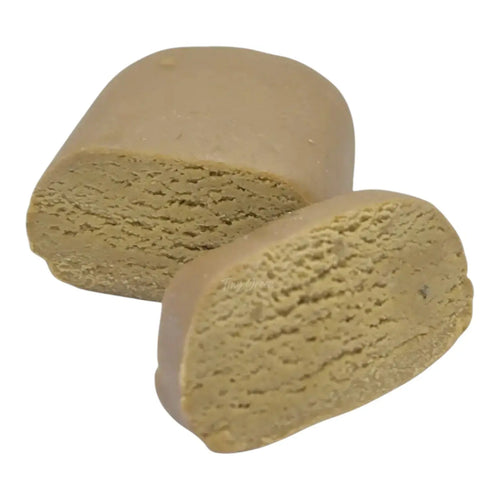
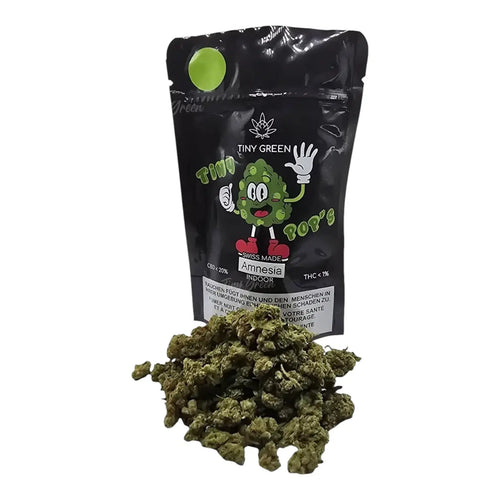
Always keep the original packaging with a readable label, the purchase receipt and, if possible, the lab analysis certificate showing the exact THC content. This document, often available via a QR code on our products, answers the question before it's even asked. Also avoid carrying loose flowers or resin without identifiable packaging: their look and smell can be confused with illegal cannabis, even when the product is fully compliant.
"The safest habit is to check the THC content before you pack your bag, not after," says Cyril Piaget, founder of Tiny Green. "We always show the exact content on our labels, and we encourage our customers to keep the lab analysis with them whenever they cross a border, even for a weekend."
Isolate-based oils
If you often travel between Switzerland and its neighbours, a CBD isolate oil with no trace of THC simply removes the problem. The trade-off is losing the entourage effect of full-spectrum products, but for regular use in France or Germany it's the most stress-free option.
Travelling with Swiss CBD isn't forbidden in itself. It just means checking one number before you leave rather than discovering it at the wrong moment.