A 71-year-old customer came in last week with a sheet of paper folded in four and his questions handwritten on it – wary, like many people of his generation, of a product he still associates with cannabis people smoke to get "high". I spend a good part of my days explaining to over-65s that CBD has nothing to do with that. Here's what I explain to each of them.
What most often brings our over-65 customers in
Many are looking for a moment of relaxation, calmer evenings or a wellbeing routine alongside their habits. CBD doesn't treat health problems in the medical sense and doesn't replace their doctor: they use it in addition to their usual care, not instead of it.
The point never to skip: interactions with medication
This is the point I insist on every time, without exception. CBD is processed by the same liver enzymes (CYP450) that clear many medicines prescribed to over-65s: anticoagulants such as Sintrom, some blood-pressure treatments and some sleeping pills. CBD can slow their elimination and change their concentration in the blood. If you're on regular treatment, talking to your doctor or pharmacist before starting isn't a formality – it's a real precaution.
Where to start: concentration and dose
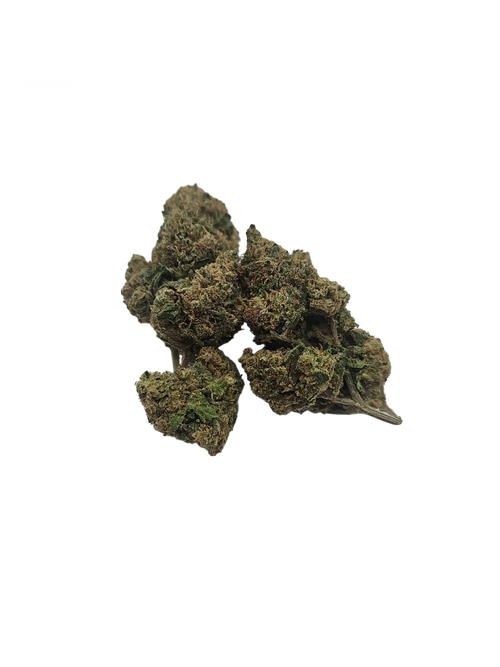
I almost always advise starting with a low-concentration oil, like our 10% oil, with a few drops under the tongue in the evening, for a week without changing the dose. It's easier to dose precisely than a flower to smoke or vaporize, and the effect comes on gradually. Most of our over-65 customers find their dose after two or three weeks of small adjustments – and it's almost always less than they imagined.
"Since I started taking the oil in the evening, I sleep much better – I didn't expect that," a 71-year-old customer told us when he came back for a new bottle after six weeks of regular use. He never needed to increase the dose.
Oil, balm or both
Some customers prefer topical use, such as a CBD balm or cream, alongside the oil. Absorption through the skin stays concentrated on the area where it's applied, without entering circulation in the same way as oil under the tongue. One customer now keeps a little pot of balm by her armchair, "for the evening, after gardening". There's no universal formula – just gradual trial and patience.
What I recommend in practice
Always start with the least concentrated oil available, note your doses and how you feel day by day and, if you're on regular treatment, talk to your doctor before you even open the bottle. For persistent pain, your doctor remains the reference. If you have questions, write to us or drop by the shop in Yverdon-les-Bains: we take the time to explain without jargon.
CBD is not a medicine.