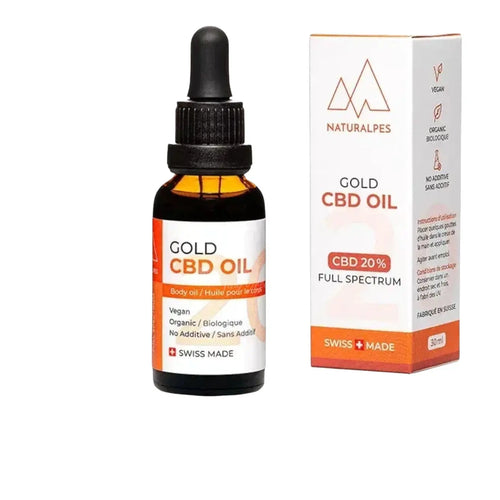
It's something I hear at least once a week: "I want to stop paracetamol and switch to CBD." The intention is good, but the answer is more complicated than a simple yes or no. Here's what I really say.
Two things that can't be compared
Conventional painkillers, such as paracetamol or anti-inflammatories, are medicines: they act on precise mechanisms, their effect has been documented for decades and their dosage is defined. CBD is not a medicine. It interacts with the endocannabinoid system in a slower, more diffuse way that's much less predictable from one person to another.
What the studies really say
The results are far from unanimous. Some reviews of clinical trials have observed modest effects in certain contexts, while more rigorous placebo-controlled studies found no difference. Positive testimonials exist, but often rely on self-reported data rather than double-blind protocols. In short: research today doesn't allow CBD to be presented as a substitute for a painkiller.
What customers tell us
The most positive feedback we hear comes from people who use CBD to unwind at the end of the day, alongside their usual habits. For acute pain, a sprain or toothache, CBD has never replaced proper treatment for any customer I've seen.
A customer comes in every month for his oil after his days on building sites. He keeps following his doctor's advice, but says CBD gives him a moment to unwind at the end of the day. It's not a replacement – it's an extra habit.
What we never recommend
Stopping a prescribed treatment without talking to your doctor first, especially opioids or anticoagulants. CBD is processed by the liver and can interact with some medicines, notably anticoagulants such as warfarin. If you're on treatment, talk to your doctor or pharmacist before adding CBD to your routine.
My straight advice
CBD isn't a proven substitute for a painkiller, and in the shop we never present it that way. If you're interested in it, think of it as a product for relaxation, not a treatment, and talk to a health professional if you already take medication.
CBD is not a medicine. This article does not replace medical advice.