

You stare at the ceiling. Then the clock: 2:46 am. Again. You've already tried chamomile tea, crackling-fire videos on YouTube, guided meditation with a voice too calm to be truly reassuring. Nothing works. CBD can help, but not like a chemical sleeping pill – and that changes everything about how to use it.
A natural sleeping pill or just a placebo?
CBD doesn't knock you out all at once, as if you'd been hit with a magic tea. It works rather on what stops you relaxing: stress, tension, a head spinning in circles. The endocannabinoid system, which CBD interacts with, plays a role in regulating the sleep-wake cycle. CBD doesn't force sleep – it helps the body get closer to it.
What studies show
A frequently cited study on the subject, led by researcher Scott Shannon, followed people taking CBD: some of them reported better sleep within the first month. It's a limited study, without a placebo group, and its results remain to be confirmed. The mechanism studied involves serotonin 5-HT1A receptors, linked to relaxation: it's not CBD that directly makes you sleep, it's relaxation that makes falling asleep easier.
"I take a few drops of 20% oil every evening. It doesn't knock me out, but I feel real relaxation in my body. I fall asleep more easily, without overthinking until 3 am," says Anne, a customer in Neuchâtel.
How and when to take it
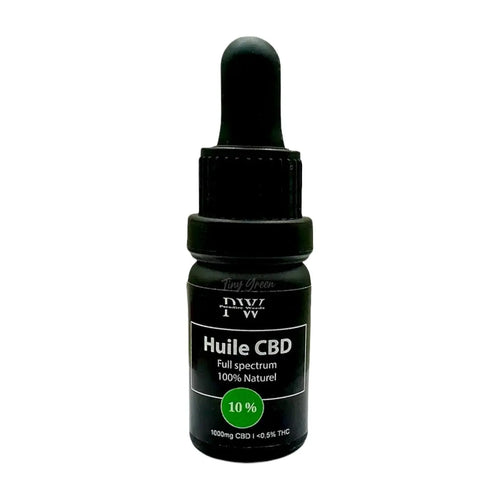
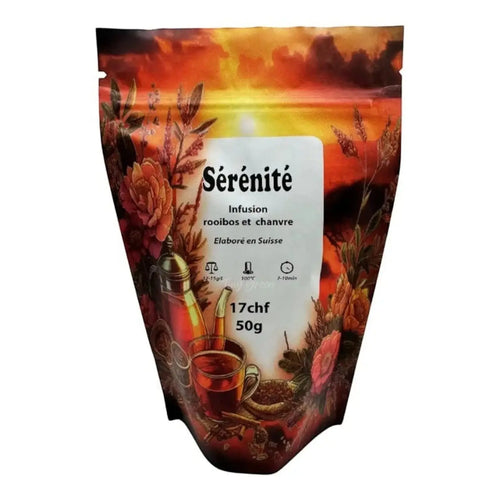
Sublingual oil remains the most used format in the evening: a few drops under the tongue thirty to sixty minutes before bed, with precise dosing and an effect that comes on within twenty to thirty minutes. Herbal tea works well as an evening ritual, with a gentler effect; remember to add a little fat (milk, oil, butter) for better absorption. Capsules remain the most discreet option if the herbal taste doesn't appeal.
What dose
Start gently, around 10 to 20 mg of CBD, and observe how you feel over several days before adjusting. With a 10% oil, two to four drops are enough to start; with a 20% oil, one to two drops. Nothing is automatic: it sometimes takes several weeks to find your rhythm.
"The reflex we try to undo is the idea that a big dose will fix the problem faster," says Cyril Piaget, founder of Tiny Green. "It's usually the opposite: customers who start low and stay consistent are the ones who come back to tell us it changed something."
And the rest, with or without CBD
A stable evening routine helps as much as the product itself: reading rather than screens, soft lighting, a light dinner and, if possible, a few minutes of slow breathing before closing your eyes. CBD won't replace your pillow, but it can accompany that moment so you get to bed with a calmer mind.
CBD is not a medicine. If your sleep problems persist, talk to your doctor.