"I'm going to France next weekend – can I take my flower with me?" It's a question I hear a lot before the holidays, and the answer isn't as simple as "it's legal in Switzerland, so it's fine everywhere". Here's what to check before you pack.
The real trap: THC limits aren't the same everywhere
Switzerland tolerates up to 1% THC in a CBD product. France and Germany apply 0.3%, like much of the European Union. In practice, a flower bought from us at 0.8% THC is perfectly legal on Swiss soil, but becomes an illegal narcotic the moment you cross into France. It's not a grey area – it's a genuine breach of the legal limit, even though the product is 100% legal here.
What about Italy? Much stricter rules
Italy is the trickiest case. Since April 2025, the "Decreto sicurezza", converted into Law 80/2025, bans the import, sale, transport and possession of hemp flowers in Italy, whatever their THC content. In practice, CBD flowers and resins bought legally in Switzerland are treated as narcotics there. Several Italian courts are challenging the ban and the Constitutional Court has been asked to rule, but in the meantime the law applies and seizures are possible. Our advice is clear: never take CBD flowers or resins to Italy, not even a small amount.
The Swiss duty-free allowance
In the other direction, if you bring back CBD bought abroad, the Swiss duty-free allowance has been CHF 150 since January 2025. Above that value, you must declare your purchases at the border, using the QuickZoll app before crossing, or online on the Passar portal. For normal personal use you'll usually stay well below that limit, but it's worth knowing if you place a big order abroad.
Flowers: the riskiest product to carry
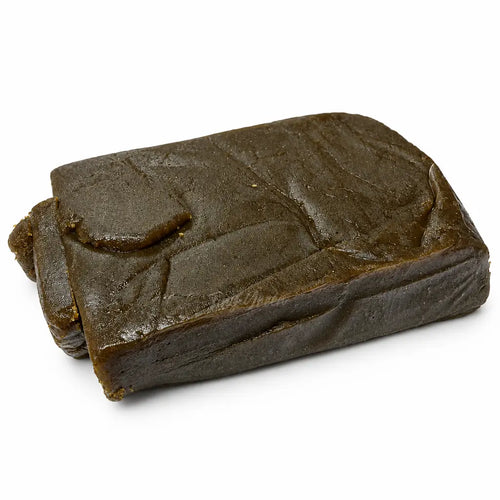
Even when it fully complies with the THC limit of the destination country, a CBD flower looks almost exactly like regular cannabis. That's the main cause of confusion and longer checks at the border, regardless of the product's actual legality. When travelling, I always recommend oil, capsules or isolate rather than flowers or resin: it avoids visual confusion and is easier to verify on a label.
Documents to keep on you
Keep the product's certificate of analysis (COA), ideally printed or saved on your phone, the original packaging showing the THC content, and if possible the receipt. If you're checked, these documents quickly prove the product is compliant rather than waiting for an on-the-spot lab test.
A customer travelled to France with Swiss CBD oil in his hand luggage. At the airport, an officer asked questions when he saw the bottle. He had kept the certificate of analysis on his phone – 0.2% THC, well below the French limit – and that was enough to close the discussion in two minutes.
My advice before you go
Check the exact limit of your destination country before packing; never assume "legal in Switzerland" is enough. Avoid flowers and resin for international trips, and don't take them to Italy at all. Keep your documents handy, and if you have serious doubts about a country, it's often simpler to leave it at home than take an unnecessary risk.
In short
Swiss CBD isn't a European free pass. The THC content that's fine here can exceed the legal limit elsewhere, and in Italy flowers are banned in all cases. It's up to you to check before you leave, not at the border.
General information updated in October 2026, not legal advice.