The answer we give most often in the shop is 18, no hesitation. But the real legal answer is a bit more nuanced than that, and it regularly surprises customers who think a single rule applies to all CBD products.
There's no single minimum age for "CBD"
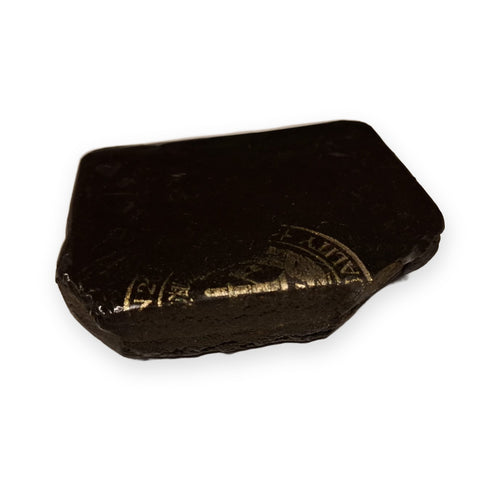
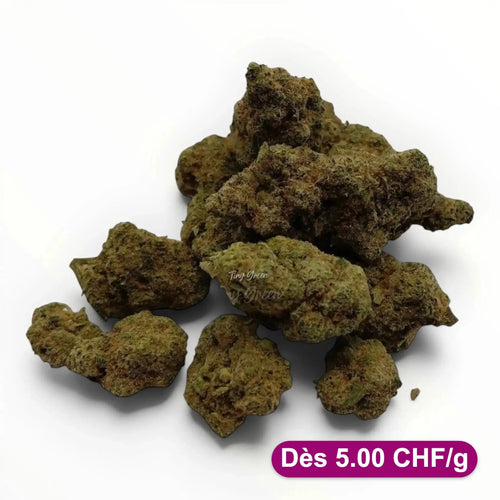
Contrary to what you might think, Swiss law doesn't set a uniform minimum age for all products containing CBD. The 18+ rule applies specifically to products classed as tobacco substitutes – a category that includes flowers, resin and vaping products. These products are also subject to the same tax as regular tobacco, around 25%, which confirms their regulatory status.
What about oil or capsules?
Here's the lesser-known part: a CBD oil or capsules in principle fall under food law, in the Novel Food category, which requires specific market authorisation but doesn't explicitly set a minimum age at federal level. Legally, nothing forces a seller to ask for ID for an oil, unlike a flower.
"We apply 18+ to all our products, even where the law doesn't explicitly require it," says Cyril Piaget, founder of Tiny Green. "It's not mandatory everywhere, but it's a matter of consistency and common sense: we're not going to explain to a teenager why oil is 'less regulated' than flowers."
Why the difference exists
It's not an oversight by lawmakers – it's a direct consequence of CBD not being governed by a single law in Switzerland. A flower or vaping product mimics tobacco use, so tobacco law logically applies. An oil taken like a supplement is treated like any other food product, with its own rules focused on product safety rather than the buyer's age.
The simple takeaway
For flowers, resin or vaping products: 18+ is a clear legal requirement, checked in the shop just like tobacco. For oils, capsules or cosmetics: federal law doesn't set an explicit minimum age, although many serious shops, including ours, still apply that limit on principle. It's this distinction, more than the age itself, that's worth understanding.